

What is a Bluetooth Speaker and Why Is It Popular?
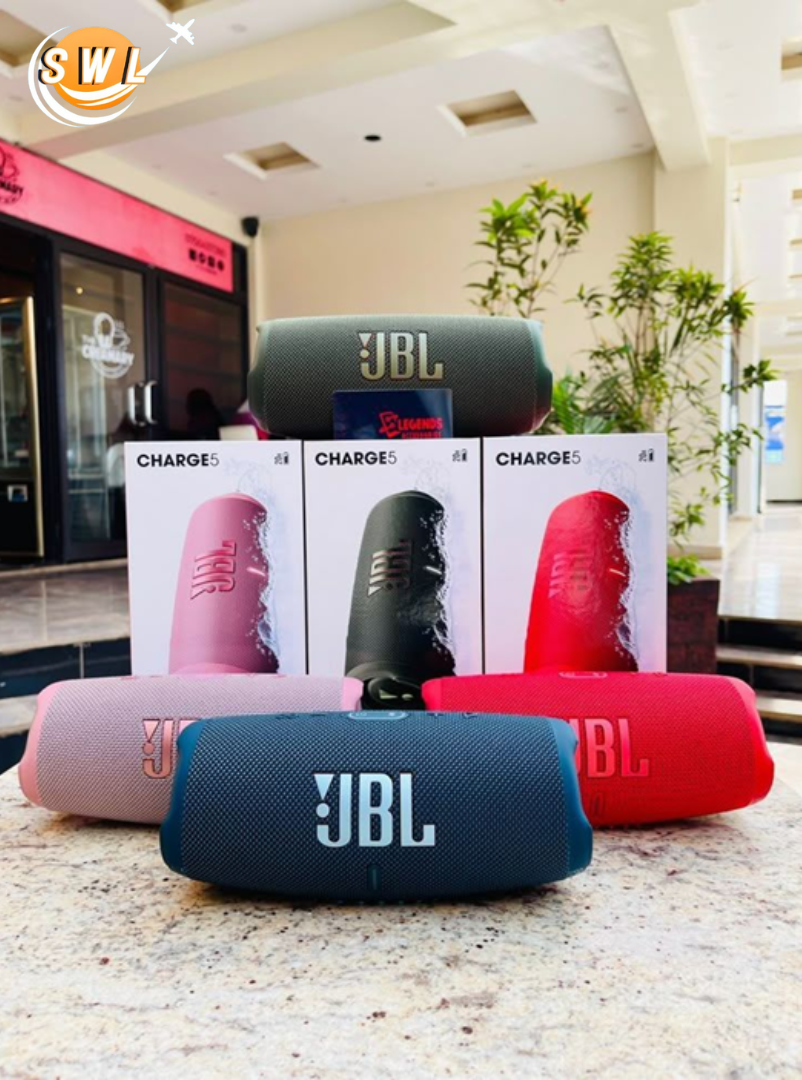
A Bluetooth speaker is a wireless audio device that uses Bluetooth technology to transmit signals from smartphones, computers, or other smart devices. Thanks to its convenience and high portability, this product has become increasingly popular in modern life.
Before carrying out import procedures for Bluetooth speakers, it is essential to understand the applicable import policies. These policies are regulated in the following legal documents:
- Decree 43/2017/ND-CP (April 14, 2017): Regulations on goods labeling
- Decree 69/2018/ND-CP (May 15, 2018): Detailed provisions of the Law on Foreign Trade Management, including import-export activities. Special attention should be paid to the list of prohibited imported goods, particularly used electronic components.
- Circular 14/2015/TT-BTC (January 30, 2015), amended by Circular 17/2021/TT-BTC (February 26, 2021): Guidelines on goods classification, analysis for classification, and quality/safety inspection for imported and exported goods
- Circular 29/2025/TT-BKHCN (November 13, 2025): List of products and goods potentially causing safety risks under the Ministry of Science and Technology
- Circular 18/2022/TT-BTTTT (November 29, 2022): National technical regulation on electromagnetic compatibility for wireless audio devices operating from 25 MHz to 2000 MHz
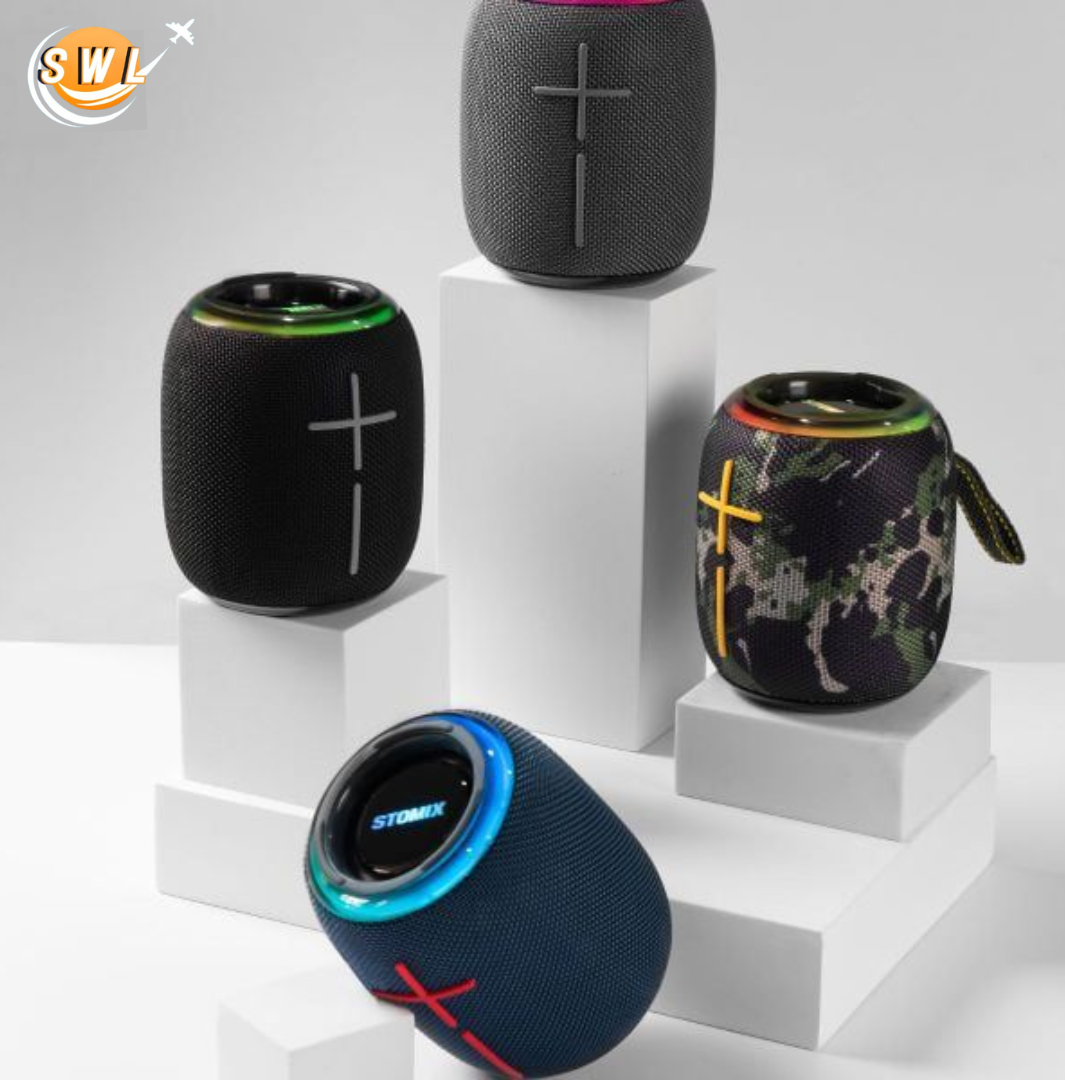
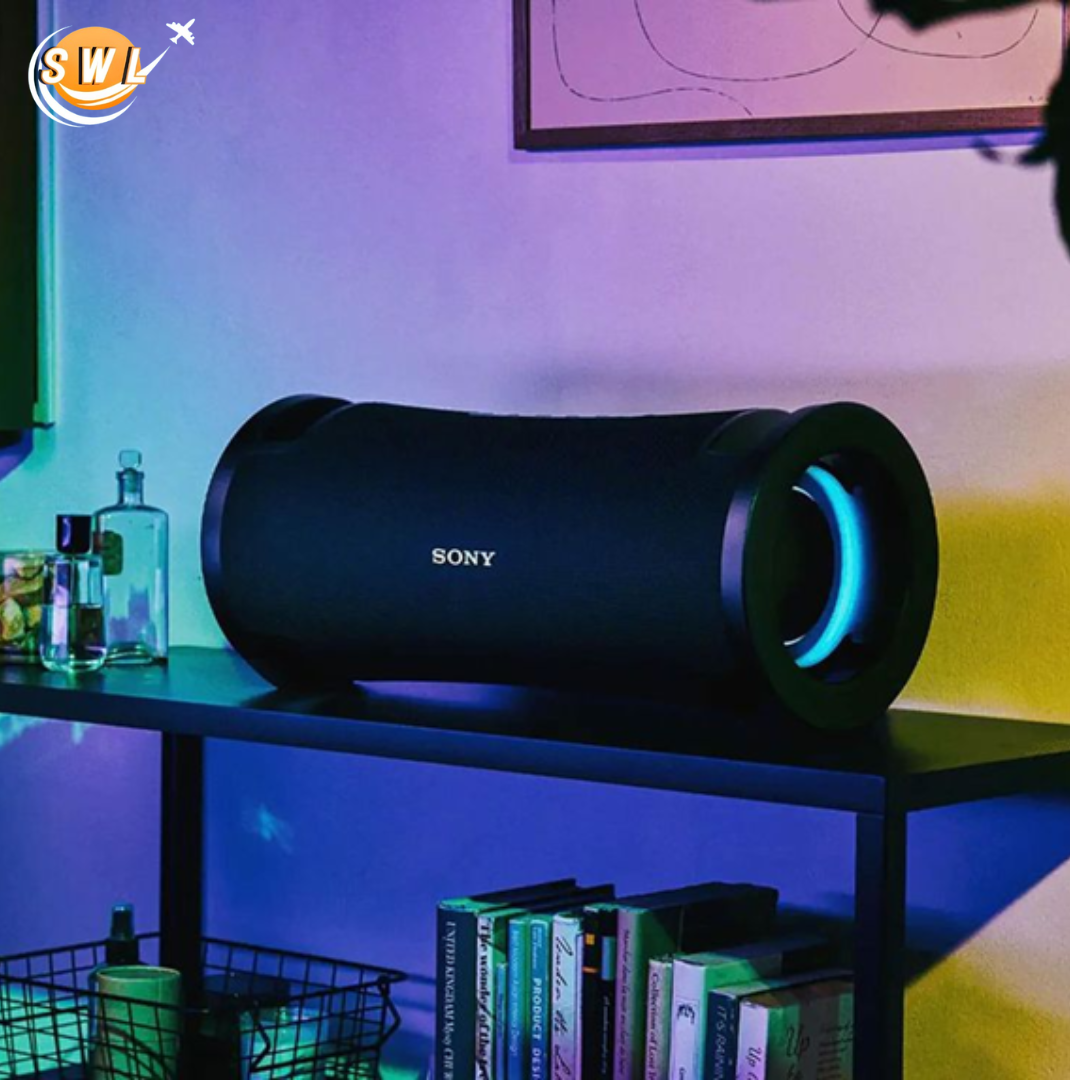
1. Characteristics of Bluetooth Speakers in Import Activities
1.1. Integration of Multiple Technologies
A Bluetooth speaker typically includes:
- Bluetooth module (signal transmitter/receiver):
Potential risk of radio interference and cybersecurity issues if not compliant with standards. Therefore, authorities impose strict regulations on frequency and transmission power. - Lithium battery (energy storage):
Risk of fire or explosion if quality is poor or improperly transported. Strict safety regulations are applied. - Amplifier:
May cause electromagnetic interference (EMC) if not properly shielded. Mandatory EMC testing is required. - Electronic control circuit:
Risk of short circuits or malfunction if components are substandard. Authorities require consistency checks against registered samples.
Therefore, Bluetooth speakers are not just simple “speakers” but fall into the category of electronic devices with radio transmission and battery usage, affecting import policies.
1.2. Diverse Classification
Bluetooth speakers can be categorized into:
- Mini (portable) speakers
- High-power speakers (party speakers)
- Waterproof speakers (outdoor)
- Smart speakers (with virtual assistants)
Proper classification helps determine:
- Correct HS Code
- Applicable tax rates
- Relevant inspection regulations
2. Import Policy for Bluetooth Speakers in Vietnam
This is the most challenging part for businesses.
According to the latest regulations (e.g., Circular 02/2024/TT-BTTTT and updates from 2025–2026), Bluetooth speakers fall under Group 2 goods, requiring quality inspection (frequency range: 25 MHz – 2000 MHz).
- Testing: Samples must be sent to designated laboratories to test EMC and safety indicators.
- Certification: After passing tests, businesses apply for a Certificate of Conformity from the Telecommunications Authority. This certificate is typically valid for 3 years per model.
- Declaration of conformity: Businesses must declare that imported products match the certified samples.
- ICT labeling: Products must bear the ICT conformity mark before being legally circulated.
3. Import Customs Dossier for Bluetooth Speakers
According to Circular 38/2015/TT-BTC and Circular 39/2018/TT-BTC, required documents include:
- Import customs declaration (via ECUS/VNACCS system)
- Commercial Invoice
- Sales Contract
- Bill of Lading (B/L)
- Packing List
- Certificate of Origin (C/O) (if available, e.g., Form E, Form D)
- Quality inspection certificate (Telecommunications Authority approval)
- Import license
- Specialized inspection certificate
- Catalogue and technical documents (if required by Customs)
4. Biggest Challenges for Businesses
If this is your first import, pay attention to these three major barriers:
- Testing costs: Each model requires separate testing → high costs for multiple products
- Time delays: Certification process may take 15–25 working days → storage costs incurred
- Product consistency: Any change in internal components may invalidate test results and delay customs clearance
5. Main Import Sources & Transportation
Bluetooth speakers are mainly imported from China, South Korea, and the United States.
Sea Freight:
- Suitable for large shipments (FCL/LCL)
- Advantages: Lower cost, safer for lithium batteries
Air Freight:
- Suitable for samples or urgent/high-value goods
- Important requirement: Must have MSDS and UN38.3 battery test report
→ Without these, airlines will refuse shipment due to fire risk
6. Practical Tips to Avoid Extra Costs
- Check labeling before shipment: Ensure labels include product name, model, origin, and technical specifications
- Pre-test before import: Request samples for testing in advance to shorten clearance time
- Choose a reliable forwarder: A knowledgeable logistics partner helps optimize HS codes and avoid penalties
Conclusion
Importing Bluetooth speakers is a promising business field but comes with strict technical and legal requirements. Businesses should:
- Clearly understand regulations
- Prepare complete documentation
- Inspect products in advance
If done correctly from the beginning, you will:
- Save costs
- Avoid shipment delays
- Bring products to market faster
Do you have a shipment of Bluetooth speakers to import? Contact Songwin now for free consultation on HS codes and testing procedures!
SONGWIN INTERNATIONAL LOGISTICS VIETNAM CO., LTD
📍 Address: 344 Nguyen Trong Tuyen Street, Tan Son Hoa Ward, Ho Chi Minh City
📞 Hotline: 083.681.3969 - 0373.262.105
📧 Email: Sales2@songwinlog.com
Songwin Logistics – Reputation Builds the Brand, Professionalism Creates Success.
![[Detailed Guide] Procedure for Obtaining a Certificate of Eligibility for Conditional Chemical Trading](https://songwinlog.net/thumbs/355x266x1/upload/news/bai-dang-instagram-thong-bao-lich-nghi-tet-2026-cao-cap-toi-gian-do-vang-1-3608.png)